Mastering Competitor Pricing Tracking on a Budget in 2026: how to track competitor pricing the free way
Your rival drops a price overnight. Your sales calls go quiet. Inventory sits. That sting you feel? It’s avoidable. You don’t need pricey dashboards to know what competitors are charging or how they’re promoting. You need a routine, a handful of free public sources, and a plan that shows how to track competitor pricing without burning time or money. Think of it as pragmatic price monitoring paired with lightweight marketing surveillance.
Price sensitivity is high in 2026, which makes small gaps matter. From January 2021 to October 2024, Canada’s CPI rose 17.1%, then eased, but shoppers still scrutinize prices and switch faster. That translates into a simple mandate: build a lightweight, repeatable process to monitor competitors for free and act on what you learn. Statistics Canada. (www150.statcan.gc.ca)
Related: How To Price For B2B | Startup School — Y Combinator
Understanding Competitor Analysis
Competitor analysis is the habit of observing rival moves and mapping what they imply for your own pricing and marketing. It’s not a one-time report; it’s the discipline of noticing changes, logging them, and responding with intent. Think of it like watching the traffic lights at a busy intersection. You don’t stare at every car. You track the signals so you can enter the flow at the right moment. This is everyday competitive intelligence gathering that supports smarter pricing choices and clearer value stories.
Why track regularly? Because consumer guardrails shifted. Bank of Canada surveys through 2025 show many households expected to cut spending, tying purchases to their inflation outlook. If you sell at retail or B2C, small promotional tweaks can bend demand in your favour when wallets are tight. Bank of Canada, Canadian Survey of Consumer Expectations. (bankofcanada.ca)
There’s also a practical upside: your team can avoid “pricing panic.” With a simple log of competitor moves and timestamps, you’ll see whether rivals are discounting only on clearance SKUs, running time-bound promos, or actually resetting list prices. The distinction matters. Lowering a flagship price is different from 72-hour markdowns to clear sizes.
Regular monitoring also re-centres attention on what really shifts demand. Across three Canadian SMBs analyzed via the Aurevon Intelligence Service in March 2026, two patterns stood out: in Calgary’s custom metal fabrication market, near-perfect review scores have moved competition toward visibility, localized supply chains, and visible tech adoption; and in Saskatoon’s casual dining scene, guests demanded better value, stronger food-safety signals, and livelier atmospheres at the same time. Those are marketing and experience signals that show up in public data, and they often correlate with price moves and promotions.
Ethics matter here. Observing public information is legal; explicit price-fixing agreements are not. The Competition Bureau’s Competitor Collaboration Guidelines draw a bright line between reviewing public prices and entering agreements that fix or control prices. Keep your monitoring public, one-way, and documented. Competition Bureau, Competitor Collaboration Guidelines. (competition-bureau.canada.ca)
With the stakes and boundaries clear, the next step is tactical: assemble a no-cost toolkit that captures prices, promos, and signals without adding overhead. These are practical competitor tracking methods you can run in an afternoon.
Free Methods to Track Competitors
The goal is a lean set of inputs that paints a full picture. Use eight methods that require zero spend and almost no setup. Each one watches a different angle: price pages, signals of upcoming changes, and reactions from customers.
1) Google Alerts for brand and product terms
Set alerts for competitor names, key SKUs, and promo phrases like “sale,” “clearance,” “percent off,” or “price match.” Use quotation marks for exact phrases and site: filters (for example, site:competitor.com “pricing”). Route alerts to a dedicated folder so they don’t swamp your inbox. Before/after: before, you noticed price changes only when a customer mentioned them; after, you get an email the day a competitor posts “Spring blowout.”
2) Email signups and SMS lists
Subscribe to competitors’ newsletters and SMS clubs with a neutral address. Most retailers and service firms announce promotions there first. Note cadence (weekly vs. monthly), discount depth, and whether offers are site-wide or SKU-specific. Opinion: if you sell to price-sensitive segments, newsletters are often the earliest “tell” of a coming list-price shift.
3) Social following and saved lists
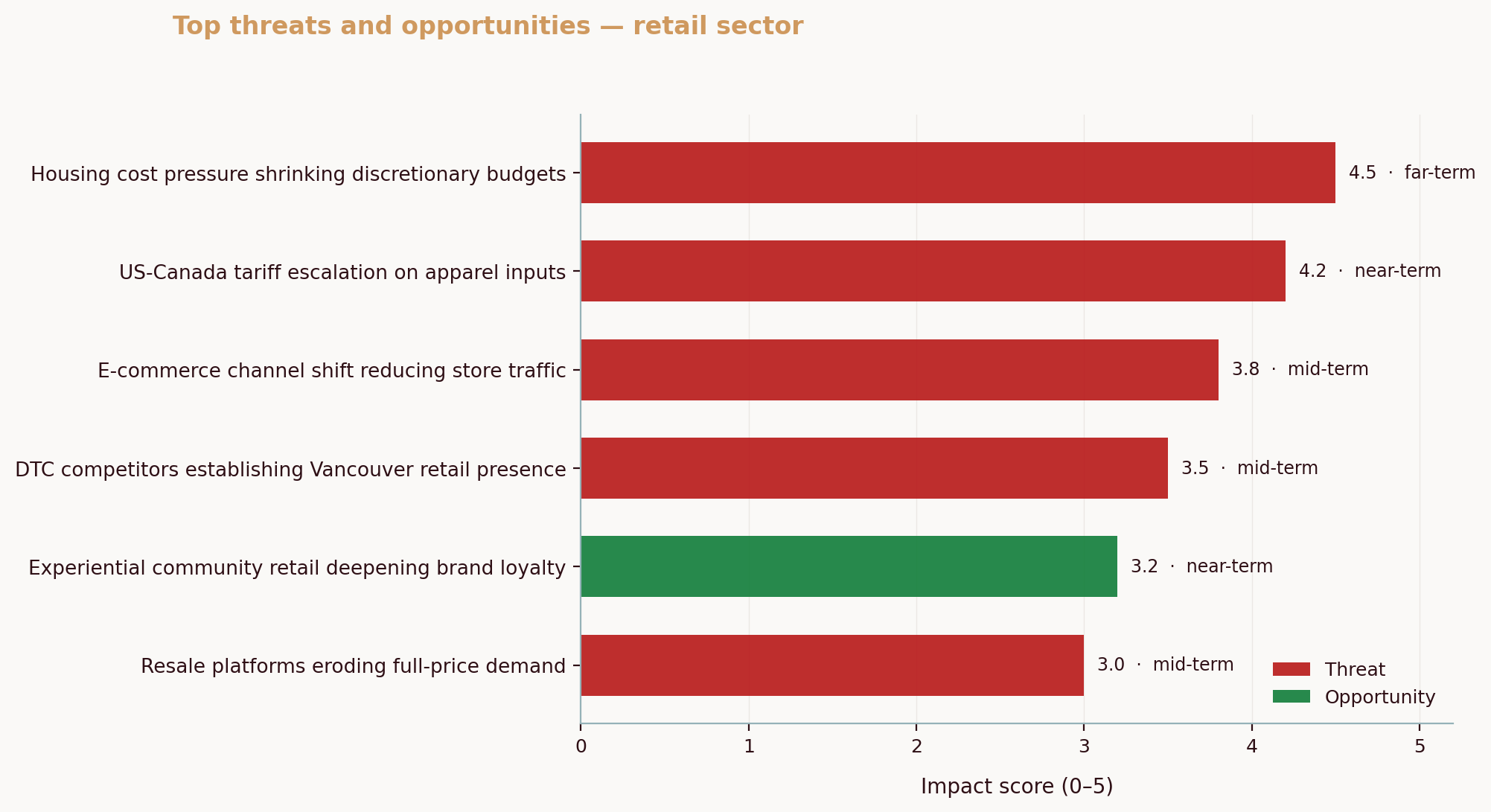
Follow competitors on Instagram, Facebook, TikTok, LinkedIn, and X. Create a private Twitter/X List or Instagram Favorites to group them. Track recurring promo rhythms (e.g., payday weekends), price-match claims, and shipping thresholds. In a Vancouver retail example from our March 2026 work, social share-of-voice for one athletic-wear brand was being eroded by mall entrants and influencer-led challengers, a warning sign that often precedes aggressive promo cycles. For added context on traffic swings, check SimilarWeb’s free view for directional site-visit trends during promo bursts.
4) Review monitoring (Google, Yelp, Facebook)
Sort by “Newest.” Look for mentions of “price,” “value,” and “promo code.” A surge in “finally affordable” reviews hints at deeper markdowns, while “too expensive” clusters may telegraph pushback on a list-price hike. Set a weekly 5-minute scan.
5) Wayback Machine snapshots
Check monthly snapshots of competitor pricing or “Pricing/Plans” pages to see historical differences. Screenshots reveal quiet changes: a shipping threshold moved from $75 to $99, a “first-order 15% off” banner disappeared, or a plan added a feature to justify a higher tier.
6) Free page-change monitors
Tools like Visualping’s free tier can watch specific URLs and email you when text changes, such as numbers on a pricing table or a shipping policy line. Point it at pricing, promotions, and “Terms/Returns” pages. Pair this with a spreadsheet log for context.
7) Job postings as price and strategy signals
Open roles can foreshadow price moves. A posting for “Revenue Analyst,” “Pricing Manager,” or “Lifecycle Marketer” suggests a shift toward yield management or promotion-heavy tactics. Engineering or procurement roles can hint at cost structure changes that may loosen or tighten pricing power.
8) Public filings and local news
For incorporated firms that file publicly, SEDAR+ in Canada and EDGAR in the U.S. are free. Look for “risk factors,” “management discussion,” and “outlook” language on margins, discounts, or inventory. Local business press often covers store openings, markdown events, and price-match promises.
What does this look like in practice? Imagine a Halifax accounting firm that sells a packaged “year-end and advisory” bundle. Google Alerts flags a rival’s “tax-season special” landing page. A page-change monitor emails you that the rival’s small-business plan went from $149 to $129. Their newsletter adds “two advisory check-ins free.” You don’t knee-jerk cut your own price. You update your tracker, run a margin check, and test a time-boxed promo on one service add-on. That’s control, not chaos.
Here’s a quick comparison to guide your setup:
| Method | Description | Benefits | Implementation Tips |
|---|---|---|---|
| Google Alerts | Email alerts on keywords and sites | Early heads-up on promos and news | Use site:competitor.com and quote marks for precision |
| Email/SMS signups | Subscribe to rival lists | See discount depth and cadence | Filter to a folder; log offer type and end date |
| Social following | Track posts and stories | Catch flash sales and new price-match claims | Create private lists; note engagement peaks |
| Reviews scan | Read newest reviews for “price/value” mentions | Real customer reactions to pricing | Search within reviews for “expensive,” “deal,” “promo” |
| Wayback Machine | Past snapshots of pages | See historical price/threshold shifts | Check monthly; screenshot changes |
| Page-change monitor | Alerts on text changes | Near real-time price table updates | Watch pricing, returns, shipping thresholds |
| Job postings | Open roles and hiring | Foreshadow pricing strategy shifts | Track “pricing,” “revenue,” “growth marketing” roles |
| Public filings/news | SEDAR+/EDGAR and local media | Margin and discount commentary | Search for “pricing,” “promotion,” “inventory” in filings |
💡 Pro Tip
Use multiple methods at once. Prices move, but so do signals like shipping thresholds, return windows, and influencer pushes. A change in any one of those can explain why price alone isn’t moving demand. This is market monitoring, not a single metric obsession.
Why this works: Canadians are actively hunting deals and comparing harder. Retail Council of Canada surveys highlight a rise in flyer use and deal-hunting behaviours, which means your competitors are conditioning shoppers to expect visible value cues. Your free monitoring stack keeps you from reacting late. Retail Council of Canada. (retailcouncil.org)
Remember the guardrails. Observing public information is lawful; agreements to fix or control prices are not. Keep a one-way flow from public sources to your tracker, and never coordinate. Competition Bureau guidance. (competition-bureau.canada.ca)
Monthly Competitor Check Routine
Timebox the process so it never sprawls. You can do a reliable check in under 30 minutes, once per month, with a quick midpoint skim if your market is fast-moving.
- Minutes 0–5: Alerts sweep
Open your “Competitor” email folder. Skim Google Alerts and newsletters. Star anything that mentions price, promo, shipping threshold, or return policy. Paste key items to your tracker with dates and links. - Minutes 5–12: Website pass
Open pricing, promotions, and “Returns/Shipping” pages for top three competitors. If you use a page-change monitor, confirm any alerts and capture screenshots. Check the Wayback Machine for last month’s snapshot to spot shifts you might have missed. - Minutes 12–17: Social and reviews
Scan the last two weeks of posts for your rivals. Note flash sales, bundles, and claims like “we now price match.” Sort newest reviews by “Most recent” and search for “price,” “deal,” or “code.” - Minutes 17–22: Job and news radar
Search “[competitor] + careers” and scan titles. Check SEDAR+ or local media for mentions of “margin,” “inventory,” or “promotion.” Log anything relevant. - Minutes 22–30: Decide one move
Pick one action: a test promo, a pricing A/B on a single SKU, a bundle, or an ad message that reframes value. Note the hypothesis and set a 30-day review date.
Do this today: set two Google Alerts per competitor (brand and “sale”), subscribe to their newsletters, and point one page-change monitor at each rival’s pricing page. That’s 15 minutes of setup that pays you back monthly.
Ethics and Legality
This approach lives squarely in public information. Reading a rival’s pricing page, signing up for their email list, following their social accounts, scanning reviews, and reading public filings are all legal. The line you must not cross is coordination. Agreements among competitors to fix or control prices are criminal under Canada’s Competition Act, and penalties can be severe. Keep your monitoring one-way, avoid private exchanges of competitively sensitive information, and document your independent decisions. Competition Bureau, Competitor Collaboration Guidelines and Competition Bureau enforcement overview. (competition-bureau.canada.ca)
If you operate in multiple jurisdictions, the same spirit applies: observe public data, never collude, and seek legal advice if you’re unsure. Also remember that heightened price awareness among Canadian consumers increases the reputational cost of missteps. BDC’s guidance on competitive analysis stresses doing your homework regularly, which this routine enables at near-zero cost. BDC, How to evaluate your competition. (bdc.ca)
Organizing Findings in a Spreadsheet
A tidy tracker turns loose facts into decisions. Build a simple sheet with one tab per competitor and a summary dashboard.
Core columns to include:
- Date captured
- Source type (website, email, social, review, job, filing)
- URL or screenshot link
- What changed (price, promo, shipping, return, bundle, payment terms)
- Depth/terms (e.g., “15% off over $150,” “price match local stores,” “free return 60 days”)
- SKU or plan affected (flag “anchor items” that shape perception)
- Notes on context (seasonal, clearance, new store opening)
- Your response (hold, test A/B, bundle, message)
- Review date and result
Add a summary tab with simple formulas:
- “Lowest observed price” for each anchor SKU across competitors
- “Average discount depth” by competitor for the past 90 days
- “Promo cadence” as promos per month
- “Shipping threshold” trend line per competitor
Make it visual with conditional formatting: green for price decreases, red for increases, blue for policy changes. In one glance, you’ll see who’s moving and how.
Here’s how this actually works. A Toronto DTC home-goods shop tracks three rivals. The sheet shows Competitor A discounts 25% twice each quarter, Competitor B holds price but offers free shipping over $200, and Competitor C runs frequent 10% site-wides. The owner tests a bundle that keeps list prices intact but beats Competitor A’s effective price on two anchor items when purchased together. After thirty days, conversion improves without a permanent price cut. See the difference?
Use one brief before/after to stay grounded:
- Before: ad hoc reactions to rumours about a rival’s “big sale,” with margin cuts that lingered.
- After: documented promos with dates and depth, one deliberate test per month, and a 15-minute review that either scales the test or sunsets it.
Close the loop by aligning with consumer context. Surveys from Canadian retailers and researchers show shoppers comparing more and hunting for certainty on value, which means your “value story” (shipping, returns, bundles, and quality cues) matters alongside sticker price. That is exactly what your tracker captures and turns into action. RCC survey on deal-hunting and BCG on Canadian price sensitivity. (retailcouncil.org)
Common Questions About Tracking Competitor Pricing
What free tools can I use to monitor competitors?
Start with the basics you already know: Google Alerts for timely mentions, social platforms for real-time engagement cues, the Wayback Machine for historical snapshots, and a free page-change monitor for pricing and policy pages like Visualping. Layer in review scans on Google and Yelp to capture customer reactions to pricing. For directional traffic context, check SimilarWeb’s free view. Each tool sees a different slice, which together form a reliable picture.
How often should I check competitor pricing?
For most SMBs, a monthly sweep is sufficient. If you’re in categories where prices or promos move quickly, such as athletic wear, electronics, or seasonal retail, add a 10-minute bi-weekly skim. The key is consistency: timebox the check, log only changes that affect perception of value, and make one decision per cycle.
Is it legal to track competitor pricing?
Yes, when you stick to public information and avoid any coordination with competitors. Reading websites, emails, social posts, reviews, job listings, and public filings is fair game. Keep a written policy that bans sharing private, competitively sensitive data and reference official guidance from the Competition Bureau. Competition Bureau, Competitor Collaboration Guidelines. (competition-bureau.canada.ca)
How do I monitor my competitors online?
Use a simple loop: set Google Alerts for brands and key SKUs, follow competitors on major social platforms and save them to a private list, point Visualping at pricing and “Returns/Shipping” pages, check recent Wayback Machine snapshots for quiet changes, and scan reviews for price and value mentions. Log findings in a spreadsheet and decide one action per month. This keeps competitive monitoring for small business teams practical and sustainable.
Take one step now: duplicate a tracker template, add your top three rivals, and point one alert and one page watcher at each. Then schedule your first 30-minute check for the first business day next month.
As a final note, if you want a structured, low-lift option that compiles these public signals into a single view, Aurevon’s Ecosystem Dynamics Report can help you skip the manual stitching. See how a periodic, plain-language briefing turns public pricing and promotion changes into next-step options for your team at aurevon.ca.
Mitchell Ozmun
SMB Researcher, Business Analyst - Saskatchewan Born and Raised